The role of non-state actors in health systems resilience: using and developing their capacities
During and after shocks and crises, health and wider public systems come under immense pressure in the response, recovery, and reconstruction phases, as well as in preparing for future shocks. Resilience in these contexts often requires non-state actors to take on significant roles, beyond those needed in more stable contexts.
Non-state actors take many forms, including community leaders, informal healthcare providers, the private commercial sector, local non-governmental
organisations (NGOs) and civil society organisations (CSOs). They play very different roles and bring diverse strengths to areas of need. However, the ways in
which they are supported to engage during shocks and crises, and to work together (or not), will be key to their resilience.
In this brief, we draw lessons from ReBUILD for Resilience research sites in Lebanon, Myanmar, Nepal, and Sierra Leone, and from wider thematic research. We provide lessons on how to enhance the roles and resilience capacities of domestic non-state actors to support equitable healthcare delivery in fragile and shock-prone settings. In doing so, we build on previous ReBUILD work (see How do different types of provider affect access to effective and affordable healthcare during and after crises?)
Further information
Myanmar strand of this study: The role of non-state actors in health service delivery and health system resilience in Myanmar (2015-22)
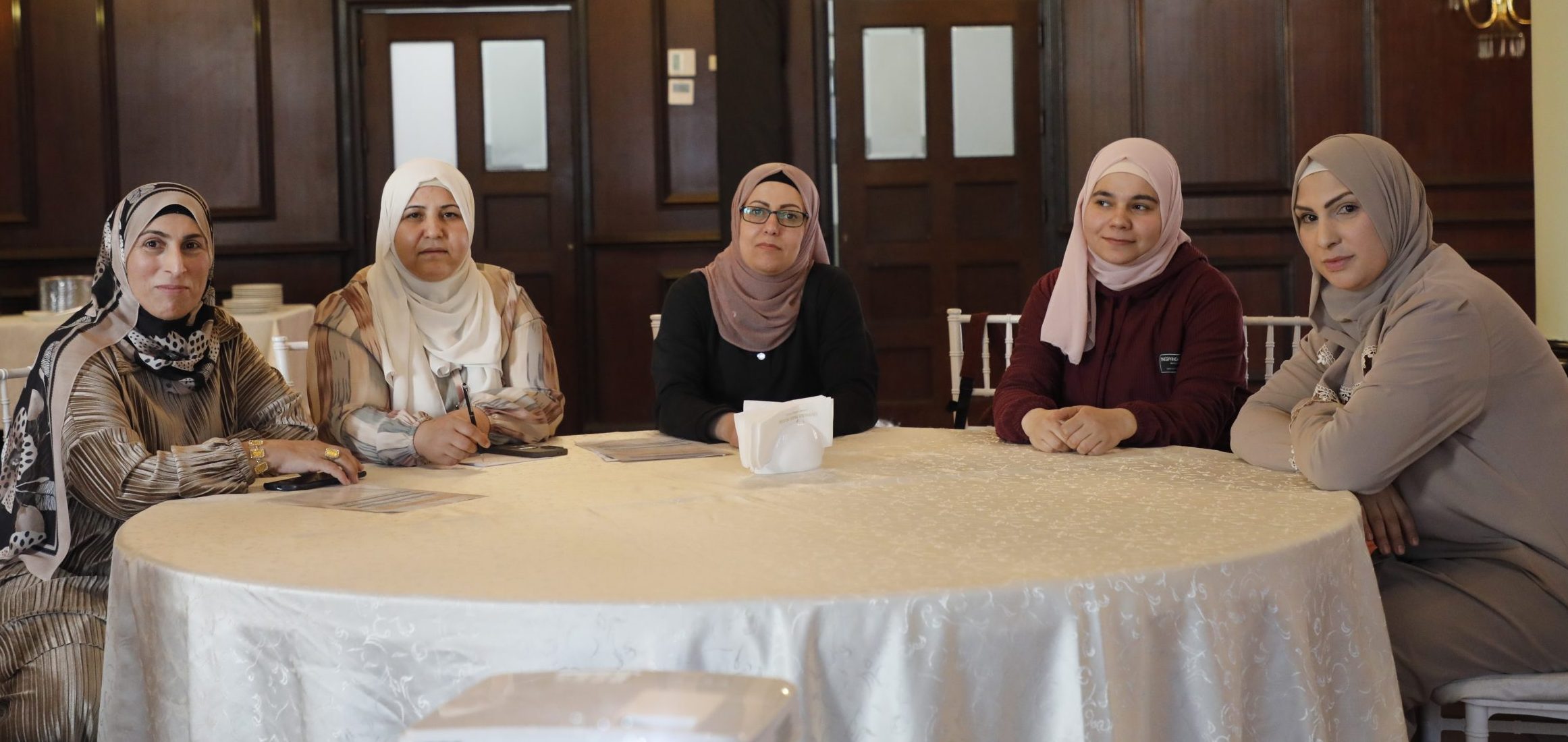
Image: Syrian close-to-community health care workers, living and working in Lebanon