The role of non-state actors in health system resilience: Exploring and developing their capacities in fragile and shock-prone setting
Read this Social Science and Medicine – Health Systems paper here. [opens new tab]
Non-state actors (NSAs) comprise a wide range of domestic and international organisations. They are recognized as playing an important role in fragile and shock-prone settings in particular, given the governance and resourcing constraints that these settings face. However, their role in health system resilience is less examined. In this short report, we draw on a literature review and experience from research sites in four fragile and shock-prone countries to examine NSAs strengths and challenges in contributing to resilience, and how their capacities could be built. We focus on domestic actors, including community leaders, informal providers, private for-profit providers, non-governmental and civil society organisations, as they are more embedded and able to respond during crises, as well as being less well described in the literature. We highlight the delicate balance between collaboration and competition in interactions between NSAs and governments, but also how NSAs may serve as the primary governance players and service providers in areas with limited statehood. Tapping into their strengths, which include local networks and trust but also the ability to mobilise resources from a range of sources, can be crucial in responding to shocks and stressors. However, risks must also be mitigated, including duplication of effort, inequitable local power dynamics and unregulated provision. We conclude that governments and de facto authorities should recognise the critical role that NSAs can play in supporting health system resilience and have clear strategies for engaging them through structured partnerships and inclusive coordination mechanisms.
Suggested citation
Witter S, Khalil J, Than KK, Idriss I, Moussallem M, Kamara H, Baral S, The role of non-state actors in health system resilience: Exploring and developing their capacities in fragile and shock-prone settings, SSM – Health Systems, 6, 2026, doi.org/10.1016/j.ssmhs.2026.100207.
Further information
Brief: The role of non-state actors in health systems resilience: using and developing their capacities
Study: There’s more on the Myanmar strand of this study here.
This paper is part of a Social Science and Medicine – Health Systems special edition Developing health systems resilience in fragile and shock-prone settings: Findings from the ReBUILD for Resilience Consortium [opens new tab]
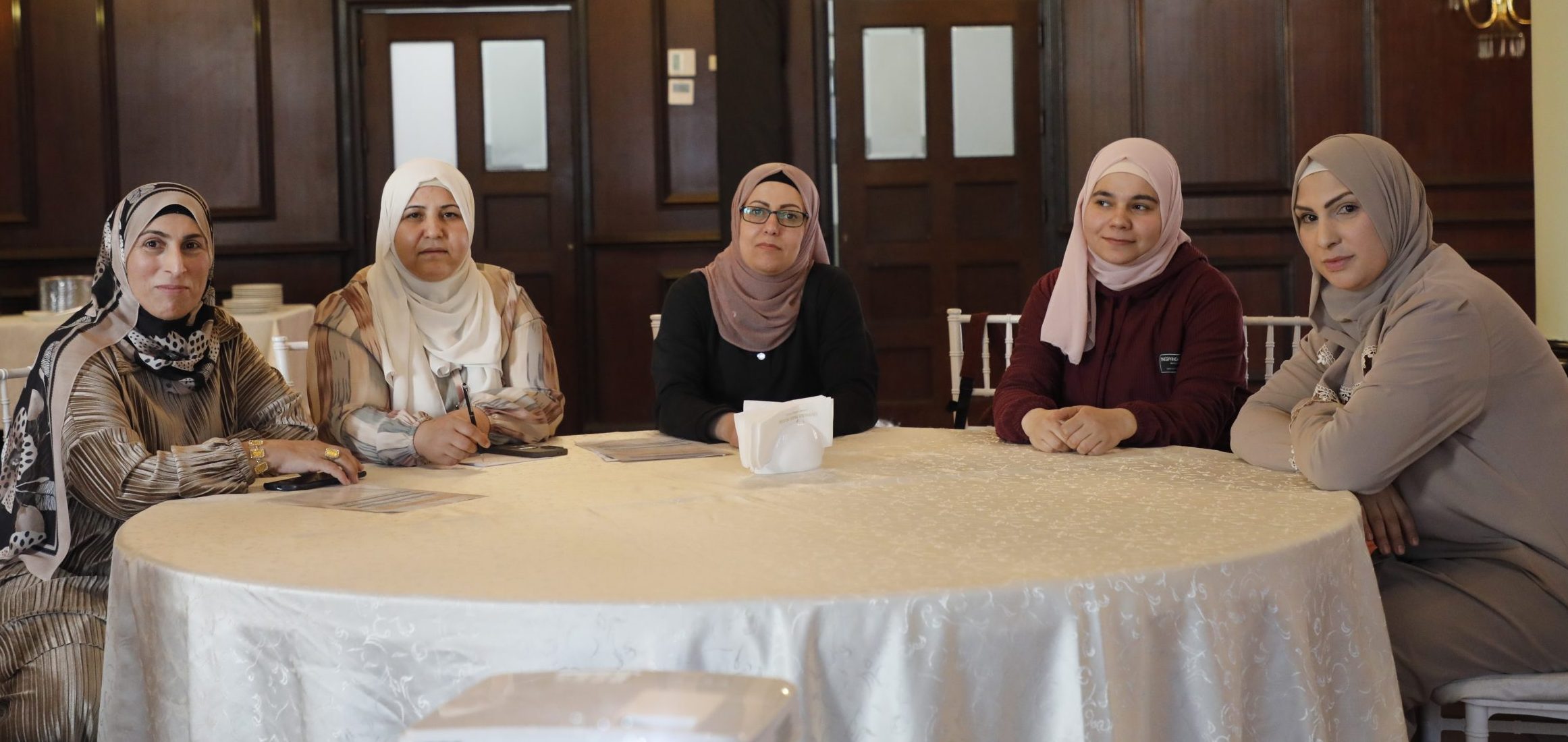
Image: Syrian close-to-community health care workers, living and working in Lebanon