Mapping health system resilience in federal Nepal: perspectives and lessons from local government level
Read this BMC Health Services Research paper here [opens new tab]
Health systems worldwide are vulnerable to both acute shocks, which strain the health system for a relatively short period of time, and chronic stressors, which place persistent pressure on the health system. Given Nepal’s frequent exposure to public health threats, recent transition to a federal structure and systemic constraints, strengthening resilience at the local government level has emerged as a critical priority. This study, by the ReBUILD team at HERD International, assessed the health system resilience capacities and identified gaps at the local government level to inform later interventions.
The team found that amidst vulnerability to different shocks and stressors, local governments in Nepal encounter substantial capacity gaps. These challenges originate from unclear roles and responsibilities across three tiers of governments, misalignment between responsibility and capacity, insufficient resources and inadequate coordination across the three tiers of government and various sectors.
Read this BMC Health Services Research paper here [opens new tab]
Suggested citation
Pandey, A.R., Regmi, S., Rijal, A. et al. Mapping health system resilience in federal Nepal: perspectives and lessons from local government level. BMC Health Serv Res (2025). https://doi.org/10.1186/s12913-025-13494-y
Further information
More on this learning site here.
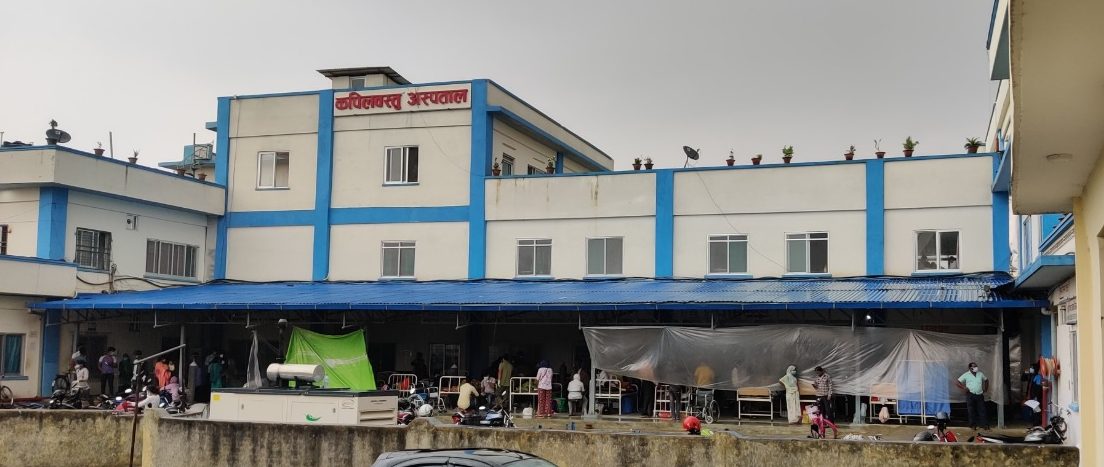
Image: Kapilvastu hospital