Policy context and climate actions in Nepal: Lessons for building climate resilient health systems
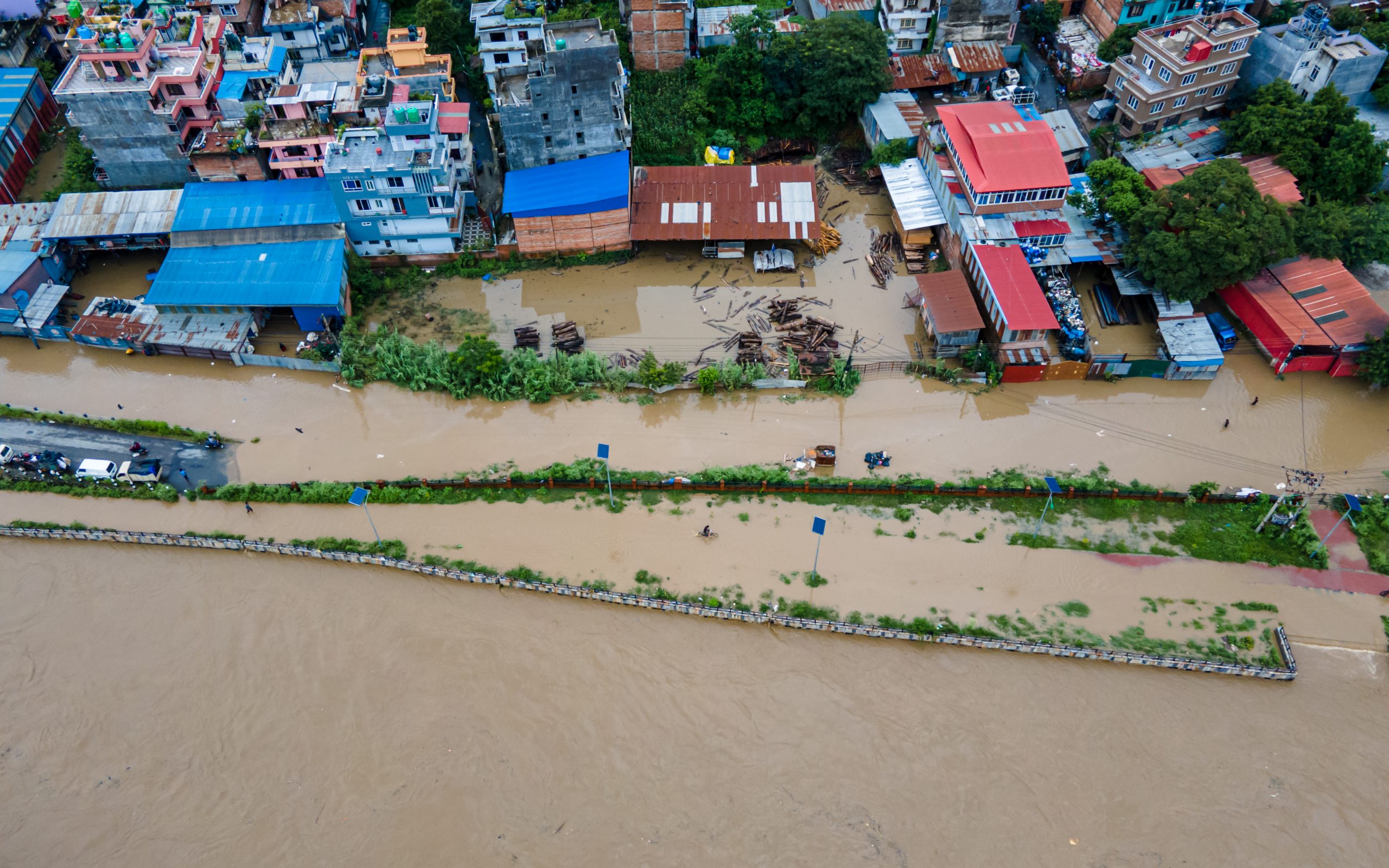
Climate change is expected to increase health disparities in low- and middle-income countries with relatively fragile health systems. Nepal, ranked as one of the countries highly vulnerable to climate change, faces exposure to extreme weather events and associated health risks. The topography of Nepal is diverse, including snowy mountains, hilly areas and plains, and the country’s diverse geo-climatic system, which combines heavy monsoons, steep terrain, and remoteness, renders the country vulnerable to natural disasters. Nepal faces a range of extreme weather events, including high and low temperatures, continuous warming, variability in rainfall, floods, droughts and landslides.
Although Nepal has developed several national policies and strategic frameworks addressing climate change and adaptation, translating these policies into effective local implementation remains challenging. Strengthening local stakeholders’ understanding, preparedness, and capacity is essential for building climate-resilient health systems. This brief highlights key gaps in integrating climate change into policy frameworks and summarizes recommendations / actionable lessons to foster climate-resilient health systems.
Key messages
• Climate change is recognized as a growing health risk, and Nepal has developed several related policies.
• Competing priorities, resource constraints, limited access to global funding, and weak cross-sector collaboration hinder effective climate-health integration.
• Strengthening policy and communication, localizing the Health National Adaptation Plan (H-NAP), integrating actionable climate measures into health planning, and improving policy monitoring and implementation are critical for building climate-resilient health systems.
Further information
This brief was produced as part of the study Assessment of the policy context and climate resilience capacity of health systems in Nepal. More on that work here.
Image: Aerial view of an area affected by heavy rainfall along the Bagmati River in Kathmandu, 2024. AP Toland via iStock.