Health system response to climate-related shocks in a lower-middle-income country setting: A comparative study of floods and droughts in Pakistan
Read this Global Public Health paper here. [opens new tab]
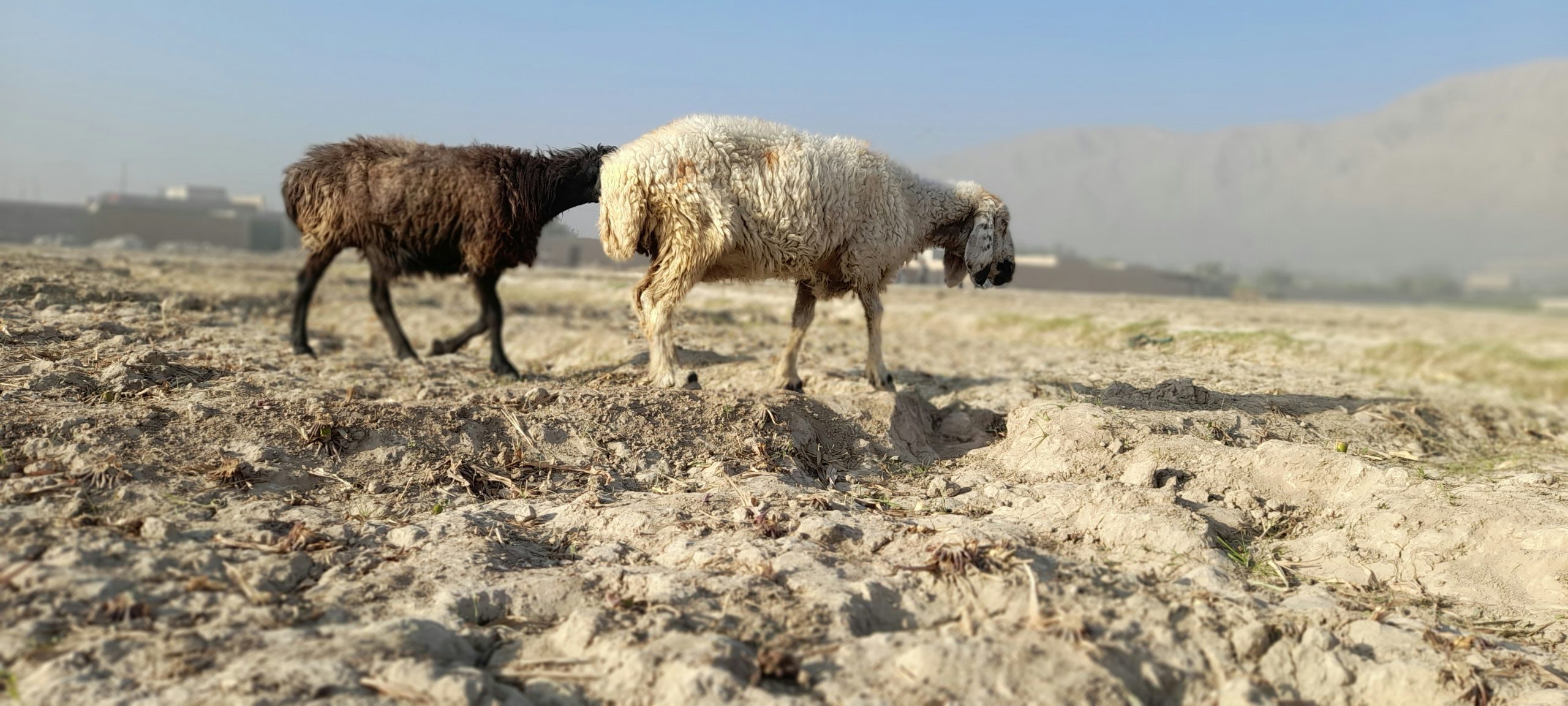
Climate-related shocks in Pakistan, particularly floods and droughts, are increasingly disrupting essential health services and worsening existing vulnerabilities. Despite expanded disaster management structures, the health system’s ability to anticipate, absorb, and adapt to these shocks remains poorly understood. This study explored how planning, resourcing, coordination, and service delivery function during floods and droughts, and how communities cope with these pressures across high-risk districts. Using an exploratory qualitative design, data were collected through interviews with national, provincial, district, and facility stakeholders; focus group discussions with community members and lady health workers; and documents’ review. Analysis was guided by the Maintains programme’s conceptual framework for shock-responsive health systems. Responses to climate shocks in Pakistan remain largely reactive and vary by shock type. Floods receive more institutional attention, yet essential services still suffer major disruptions. Droughts expose deeper systemic weaknesses, including poor infrastructure, limited outreach, chronic undernutrition, and little anticipatory planning. Coordination between disaster and health agencies is inconsistent, financing arrives late, and service packages lack standardization. While communities mobilize solidarity networks and local initiatives, these coping mechanisms remain fragile and insufficient. The study underscores the need for a shift toward integrated, proactive resilience planning to safeguard essential health services amid climate-related shocks.
Suggested citation
Moussallem, M., Zaidi, S., Gooding, K., Najmi, R., Pradhan, N. A., Bou-Orm, I. R., & Witter, S. (2026). Health system response to climate-related shocks in a lower-middle-income country setting: A comparative study of floods and droughts in Pakistan. Global Public Health, 21(1). https://doi.org/10.1080/17441692.2026.2675732
Further information
Read our policy brief – Strengthening climate-resilient health systems: opportunities and challenges
Read our peer-reviewed paper – Strengthening institutional coordination for climate resilient health systems
Read our brief – Policy context and climate actions in Nepal: Lessons for building climate resilient health systems
Film – Urban Echoes