Mapping resilience in emergency response and recovery in Tigray, Ethiopia: Lessons learned and key policy messages
Ethiopia’s Tigray region has been severely affected by several shocks and crises that have profoundly impacted its health systems and the health of its population. The region has experienced three protracted wars in the last 50 years, the most recent of which was preceded by the COVID-19 pandemic. In addition, Tigray experiences cyclic drought every three to five years and frequent locust infestations. The most recent war (2020- 22) devastated social systems, including the
health system of the region, resulting in frequent disease outbreaks and a significant worsening in population health.
Since the Pretoria peace agreement at the end of 2022, efforts have been ongoing to help the health system recover. This study explored the ways in which the health system has responded during the conflict period to sustain a level of service delivery and in the post-crisis period to ensure health system recovery, highlighting examples of resilience. Findings provide evidence to inform health system reconstruction and recovery efforts as well as preparedness strategies in Tigray and in similar settings.
Further information
Study: Health system resilience in Ethiopia’s Tigray region
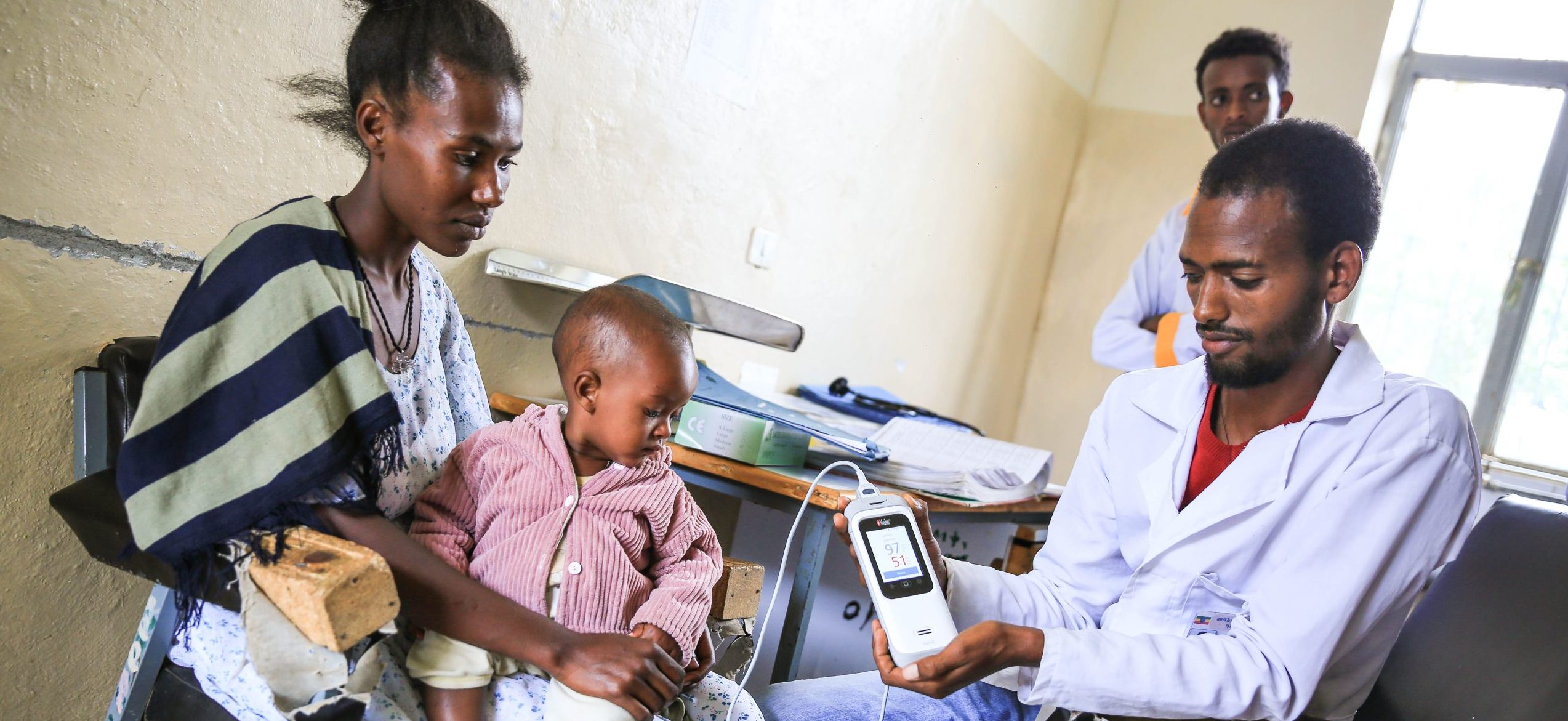
Image: Nurse checks 16 months old Daniel Hagos, using respiratory monitor as his mother Girmanesh Hagos, 20, watches. UNICEF Ethiopia via Flickr. [opens new tab] CC BY-NC-ND 2.0 DEED