Strengthening health workforce emergency preparedness for future shocks: Lessons from the 2023 earthquake in Türkiye
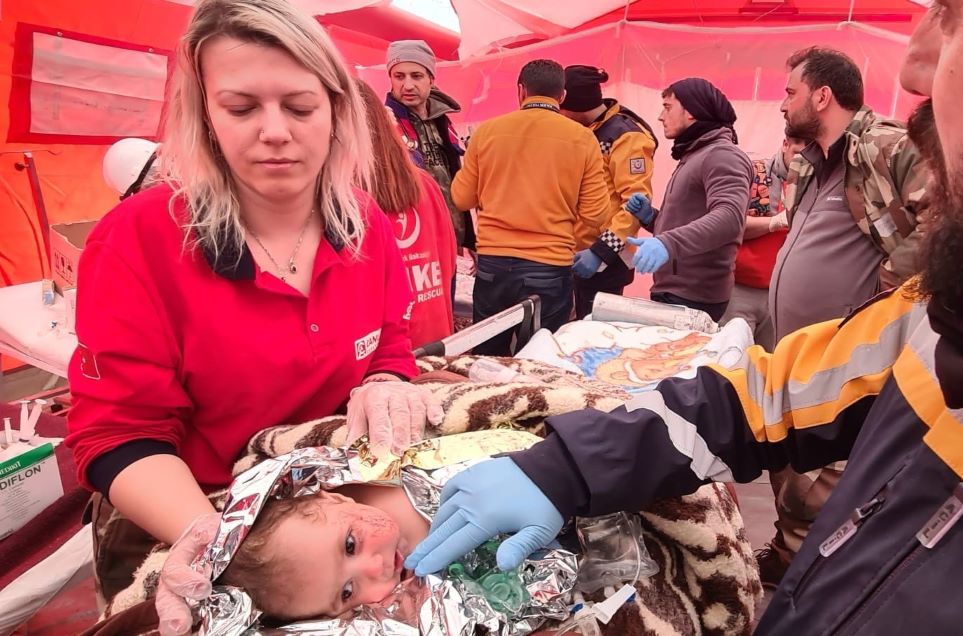
On 6 February 2023, a 7.8 magnitude earthquake hit southern Türkiye, followed by a second 7.6 magnitude shock a few hours later. These disasters caused widespread devastation across eleven provinces, resulting in more than 55,000 deaths, hundreds of thousands of injuries, and the displacement of millions. The destruction of healthcare infrastructure, including 15 hospitals and many primary healthcare centres, disrupted service delivery, while many health workers themselves were directly affected, having lost family members, homes, or both.
Türkiye had a relatively strong disaster management system in place. Lessons from past emergencies, including the COVID-19 pandemic and the Syrian refugee crisis, informed response capacities such as improvements in planning, workforce mobilisation and surge capacity. National organisations, such as AFAD (the Disaster and Emergency Management Authority), the Ministry of Health (MoH) and the Turkish Red Crescent, led centralised emergency operations including rapid mobilisation, supported by WHO and many local NGOs. However, the unprecedented scale of the disaster exposed systemic vulnerabilities in sub-national preparedness and major gaps in the ability to coordinate efforts of deployed personnel and volunteers, sustain operations under extreme pressure, and protect the well-being of health workers on the frontline.
This policy brief examines the strengths and weaknesses of the health workforce emergency response to the 2023 earthquake. It identifies policy actions to support national and sub-national efforts to strengthen future emergency preparedness and build a resilient health system in Türkiye for the long-term.
Further information
This brief is from the study Exploring health workforce preparedness for shocks in Türkiye. Read more on that study and its other outputs here.