About International Rescue Committee
The International Rescue Committee (IRC) responds to the world’s worst humanitarian crises, helping to restore health, safety, education, economic wellbeing, and power to people devastated by conflict and disaster. Founded in 1933, the IRC works in more than 40 countries and more than 20 US cities, helping people to survive, reclaim control of their future, and strengthen their communities.
More on IRC on its website. [opens new tab]
International Rescue Committee and ReBUILD for Resilience
As an Associate Partner of ReBUILD for Resilience, the IRC will participate in the Consortium Management Committee, helping to disseminate information across its networks and providing guidance based on decades of experience conducting research and supporting health systems strengthening in fragile and shock-prone settings.
ReBUILD for Resilience projects
- Health systems strengthening and resilience-building in fragile and conflict-affected settings
- Aid and health system resilience in fragile and shock-prone settings: reflections from ReBUILD for Resilience
- Health system resilience amid outbreaks: understanding the politics of sexual and reproductive health service adaptation in eastern Democratic Republic of Congo
Noémie Kouider
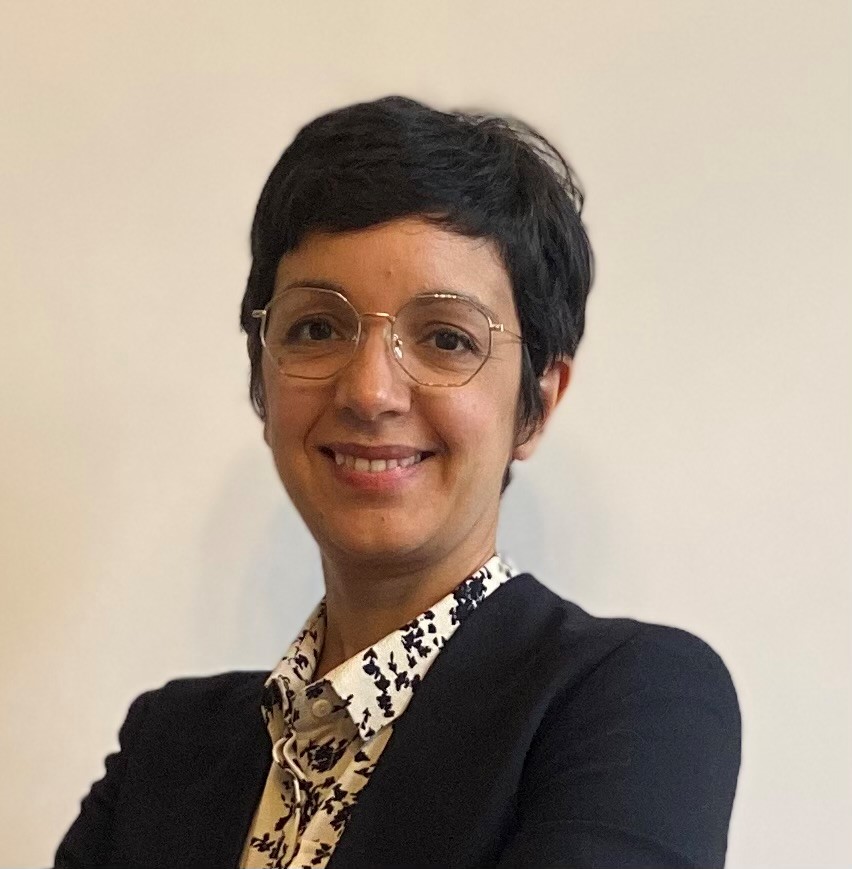
Global Practice Lead for Systems Strengthening
Noémie Kouider is the Global Practice Lead for Systems Strengthening at the International Rescue Committee. She brings more than 15 years’ experience in governance, health systems strengthening, and service delivery in fragile and conflict-affected settings, working with donors, governments, and implementing agencies.
In her role, she leads IRC’s global strategy on systems strengthening, develops technical standards and tools, and provides oversight to country programs worldwide. She also advises on policy and advocacy, research, and global partnerships, and represents IRC in international systems strengthening fora.
Noémie holds graduate degrees from Sciences Po Paris and Université Paris-Diderot, with additional executive training from Oxford, Melbourne, and Johns Hopkins.
The ReBUILD for Resilience partners are:

The team is supported by research associates