Somalia’s health system at a crossroads: Sustaining essential services in a changing financing landscape
This policy brief describes the current state of Somalia’s health financing and examines the impact of cuts to international aid on the country’s health system; at the time of writing (March 2026) 85–90% of total health financing comes from development partners. The brief presents an impact analysis before considering resilient responses which include:
- protecting and reprioritising essential services bottlenecks and leverage points,
- establishing a transitional pooled financing mechanism,
- formalising private sector and diaspora engagement, and
- strengthening domestic financing and governance could reduce long-term vulnerability.
The brief also recognises that political economy considerations shape resilient responses, and that the ability to sustain essential services in Somalia is shaped by how incentives, risks, and authority are distributed across actors.
Further information
This brief is based on the study, Aid and health system resilience in fragile and shock-prone settings: reflections from ReBUILD for Resilience. There’s more on that research, including briefs on other contexts, here.
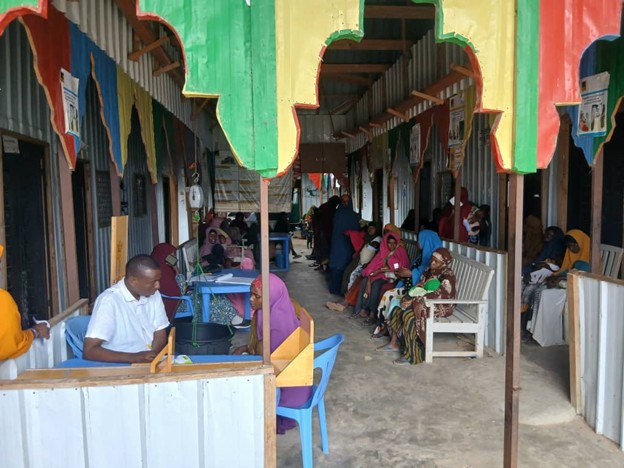
Image: K13 health facility in Bandir region closed in 2025 due to the funding gap. Photo credit: Abdi Aden